
Building a culturally relevant brand is more than developing a logo and colour palette. It is essential to establish brand guidelines so that brand elements remain consistent on various platforms. Essentially, it provides a structure for how your brand looks, sounds, and feels.
The absence of guidelines prevents many companies from being consistent. Direct pivots can confuse consumers and lessen brand recall. Having a brand guide clarifies messages and builds trust over the years.
As brands grow, it becomes necessary to develop brand guidelines for the brand. It is getting trickier to maintain peace across teams and in marketing channels. When people understand what predictions to expect, they won’t be surprised.
In this article you will see brand guidelines creation, its importance and steps to create effective brand guidelines for a strong brand.
Development of brand guidelines refers to setting out the specifications that define your brand. The design and messaging are consistent with the help of guidelines.
A good set of codes will help build single image. It ensures that all brand materials match the company’s vision and values to stay aligned.
Being consistent will lead to brand recognition. When customers look at the same style and messaging over and over again, it begins to build its trust.
Element | Description | Benefit |
Logo Usage | Rules for logo placement and variations | Visual consistency |
Color Palette | Defined brand colors | Recognition |
Typography | Fonts and text styles | Professional appearance |
Brand Voice | Tone and messaging style | Clear communication |
The personality created by these elements is unique.
We should also consider scalability. As your business grows, guidelines allow teams and platforms to more consistent.
Attention to detail and strategy required for effective Brand Guidelines Creation.
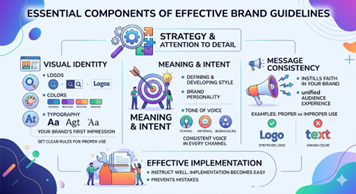
Your brand’s visual identity is the first thing people will notice. Elements such as logos, colors, and typography are included.
Continuous messaging instills faith in your brand. It ensures that your audience receives one consistent message.
Guidelines must include examples of proper and improper use. Mistakes become prevented with it.
When you instruct well, implementation becomes easy.
The fact that guidelines have effects gives them importance.
Establishing policies is an exercise in planning and execution.
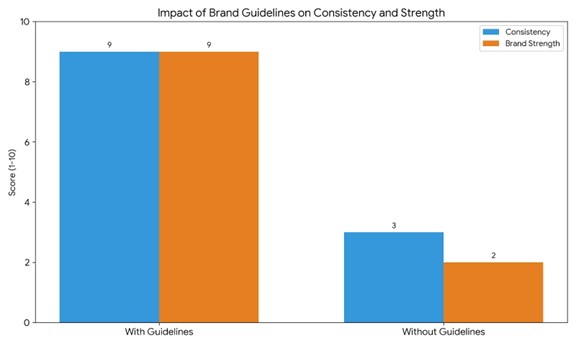
The implementation of such practices will succeed.
Separate your guidelines into different sections, such as visual identity, voice or tone and usage rules. As a result, these are easy to navigate.
Another mistake is over-complicating the guidelines. It can be difficult to apply rules that are too detailed.
Another problem is the lack of updated guidelines. Information that is outdated can lead to inconsistencies.
If business policies are kept lean and updated, it promotes better branding consistently.
Creating brand guidelines is very crucial to give your business a visual identity. All elements of your brand will be in alignment and reflect your business vision.
Developing messaging consistency and defining visual identity are key elements of brand development. At Shartor, we help keep teams on brief and ensure the brand feels cohesive.
When companies establish rules that conform to the correct methods and regulations while avoiding any types of mistakes, they get to grow in the long run. It also builds brand trust.
Strong brand guidelines help to provide stability and clarity in the long run. You need effective marketing strategies to build successful brands.
