
The digital environment has become competitive for businesses where the first impression is online. A website is often the first contact between a company and its potential clients. The design speed structure and usability of a site quickly Judge. An obsolete website can lower trust and lose users in a fortnight.
Modern website design concentrates on usability by using viable frameworks. The websites of today must harmonize design and functionality. A website that loads quickly, adapts to mobile and directs visitors to take action is what business needs.
The robustness of a website enhances branding and digital marketing efforts. User experience signals are measured by search engines. By employing quicker load times, an organized navigation structure and a quality layout, companies can improve visibility and engage better with the audience. and develop original designs from scratch to suit the business requirement.
The online world is constantly changing. Design trends go in hand with user expectations and technological improvements. A business can strive to remain competitive by enhancing authority with an updated website. When you become familiar with professional web design principles, it helps you create valuable and long-term assets for an organization.
A website design that is eye-catchy is not enough. Websites become effective when they are usable, fast, accessible, and branded effectively. Websites should ensure clear navigation and quick access to information.
A Modern Website Design with Simplicity & Functionality. Having a clean layout minimizes distractions therefore keeping users focused on what matters. Users can access the information they need quickly, thanks to a well-organized structure. Businesses using a cluttered layout have higher bounce rates and lower conversions.
Having an e-commerce website improves customer trust. Visitors often connect polished design with business credibility. A strong visual branding will also help companies create impactful web identities.
Responsive design has grown especially important. The majority of users are using mobiles to surf the internet. Websites that do not adapt correctly often lose traffic and visibility on search engines.
Better accessibility of website is possible with modern web development Websites that are accessible make it easy for users with different devices, screen sizes and browsing needs. The practices of inclusive design improve usability and broaden the audience.
A website experience is effective due to many reasons.
Website well optimized technically also receives reward from search engines. The speedier performance and more organized structure improve the efficiency of indexing. Enhanced visibility in results from search engines.
The use of LSI keywords such as responsive web development, professional web design services, user-friendly websites and custom website solutions, enhances relevance effectively throughout the quality content.
Modern websites leverage technology while conveying a message visually. Successful platforms are built keeping both user behavior and business objectives in mind. All designs should aim for maximum engagement and conversion.
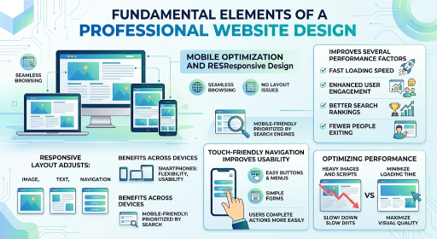
A website that automatically adjusts to mobile and desktop screens is referred to as responsive web design. Mobile users expect a seamless browsing experience without zooming or layout issues. Businesses failing to optimize for mobile can lose engagement.
A responsive layout adjusts an image, text and navigation according to the screens size. It enhances the flexibility, readability and usability across smart phone, tablet, desktop, etc. In ranking, mobile-friendly websites are prioritized by search engines.
Improves Several Performance Factors Mobile Optimization
This Touch-Friendly Navigation Improves Usability on Smaller Devices. Touch screens must still have buttons, menus and forms easy to reach. Users can complete actions more easily with simpler navigation.
Optimizing performance allow responsive design to be effective. Websites experience a slowdown due to heavy images and scripts. Modern optimization techniques minimize loading time while maximizing visual quality.
Visual hierarchy directs visitors to the important things. The attention of the user can be guided using spacing, typography and colour by designers. A good hierarchy enhances readability and encourages action.
Minimalist layouts help improve clarity that’s why modern websites use them. Overuse of animations or cluttered graphics prevent visitors from key messages Using a simple layout creates a better user experience.
A professional looking website heavily depends on typography. Fonts that are easy to read provide comfort and access to content. Consistent typography help strengthens branding consistency in websites.
Color Psychology Strongly Influences Customer Perception Bigger you business, the more you colour scheme you will have to adopt. Choosing the right color gets the message across better and interacts effectively with the users.
Organizing content is an essential feature. Visitors like scanable sections containing short paragraphs and structured headings. Organized layout helps users to understand the content better and stay on the web page longer.
Expert web designers also optimize calls to action. The buttons and conversion areas must be visible, but not overcrowded. Tranplacement of the form has increased inquiries and customer engagement.
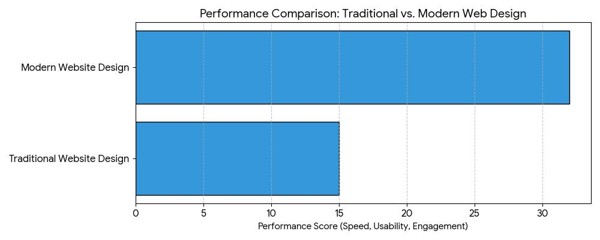
The appearance of website design trends has undergone great changes. Older websites put appearance before usability. Optimizing speed and enhancing performance are now increasingly user-focused.
Standard websites often made use of heavy graphics, huge animations and complex navigational structures. Although they look great, these designs often slow performance dramatically. Today’s websites favour simplicity and efficiency instead.
The following comparison shows how conventional and contemporary websites differ from one another.
Feature | Older Website Design | Modern Website Design |
Mobile Support | Limited compatibility | Fully responsive |
Loading Speed | Slow performance | Fast optimization |
Navigation | Multi-layer menus | Simplified structure |
SEO Readiness | Basic setup | Advanced optimization |
User Experience | Design-focused | User-focused |
Choosing the right website strategy is dependent on business and customer needs. Each industry has its own unique audiences and browsing habits. Design solutions must be effective both functionally and branding wise.
The first step is to identify website goals. Some businesses produce leads, while others focus on ecommerce or informational content. The organization of your website should directly meet these goals.
Businesses need to accurately assess audience preferences. Knowing how customers behave helps the designer to create navigation and content. Prioritizing user in planning work significantly enhances engagement.
Contemplating the important factors are.
Professional design agencies start with in-depth discovery sessions. These assessments review competitors, branding requirements, and technical specifications. Strategic planning cuts future redesign costs and improves long-term efficiency.
The website structure should also be scalable. Systems that are flexible can give rise to future growth without technical limitations. If you plan properly, then it will be easier for you to expand services, add pages and features.
Content structure is equally important. Websites need to organize information logically with clear pathways. The websites users favour are those that answer their queries quickly and easily.
Consistent design reinforces brand recognition throughout the site. The colors, fonts, and layouts should have a consistent appearance throughout the website. Consistency creates a professional impression that enhances user trust.
Taking Maintenance into Consideration Maintaining website performance, security monitoring, and regular updates is essential even after launch. Continuous support ensures websites keep working effectively over time.
Ultimately, brands should not become enslaved by fads. Timeless design principles focused on user experience provide more lasting value than trends.
Website Design also enhances digital marketing effectiveness. Incorporating SEO-friendly coding, optimizing for mobile, and structuring content significantly enhance search visibility. Higher rankings boost organic site traffic and enhance authority.
Modern sites are also scalable for the long term. Flexible frameworks have made it easier for businesses to expand features and services. When you have consistent branding and good performance, customers will also trust you.
Websites succeed when user behavior guides design choices. Using Shartor, businesses can implement simple, functional, and accessible strategies like Evergreen Design Thinking, Low-Code Design, and 4D Design, enhancing user experience and long-term engagement.