

In today’s digital age, your business’s reputation extends far beyond the walls of your physical location. It thrives online, shaping perceptions and influencing decisions. Online Reputation Management (ORM) has become an essential strategy for businesses seeking to succeed in a competitive landscape.
Potential customers can uncover reviews, testimonials, or even negative press about your brand with just a few clicks. This means that maintaining a positive online presence is not just important; it’s imperative.
As consumers increasingly rely on digital information before purchasing, understanding how ORM works can be the difference between success and obscurity.
Let’s dive into why managing your online reputation should be at the forefront of every modern enterprise’s strategy!
The Impact of Online Reputation on Businesses
Online reputation significantly influences consumer behavior. Today’s customers often research businesses online before making decisions. Positive reviews attract new clients, while negative feedback drives them away.
Trust is a crucial factor in this digital age. A brand with a stellar online presence fosters confidence among potential buyers. Conversely, poor ratings can tarnish an otherwise good product or service.
Moreover, search engines reflect a company’s reputation through their rankings. Businesses with higher ratings often show up first in search results, creating more visibility and opportunities for growth.
Social media amplifies these effects even further. One viral post—whether positive or negative—can shape public perception overnight. This dynamic environment requires continuous monitoring and proactive strategies to maintain credibility and trustworthiness.
Strategies for Effective Online Reputation Management
Building a solid online reputation starts with monitoring your brand’s presence. Regularly check reviews, social media mentions, and search results linked to your business. This helps you stay informed about public sentiment.
Engaging with customers is crucial. Respond promptly to feedback, whether positive or negative. Acknowledging concerns shows that you value customer input, creating a sense of trust.
Creating quality content also plays a significant role in shaping perceptions. Share valuable insights on your website and social platforms, establishing yourself as an authority in your industry.
Encouraging satisfied customers to leave reviews can boost credibility. More positive feedback enhances potential clients’ confidence in choosing your services.
Staying proactive is vital. Develop crisis management plans for unexpected issues that may arise online. Having strategies ready ensures you’re prepared to tackle challenges head-on when they appear.
Tools and Resources for Managing Your Online Reputation
Managing your online reputation can feel overwhelming, but the right tools and resources make a significant difference. Various platforms allow businesses to monitor mentions across social media, blogs, and forums. Tools like Google Alerts provide real-time updates whenever your brand is mentioned.
Social listening tools such as Hoot suite or Brand watch enable you to track sentiment surrounding your business. These insights help you understand how customers perceive your brand and identify potential issues before they escalate.
Review management sites like Trust pilot and Yelp are invaluable for gathering feedback. They let you respond directly to reviews, showing customers that their opinions matter.
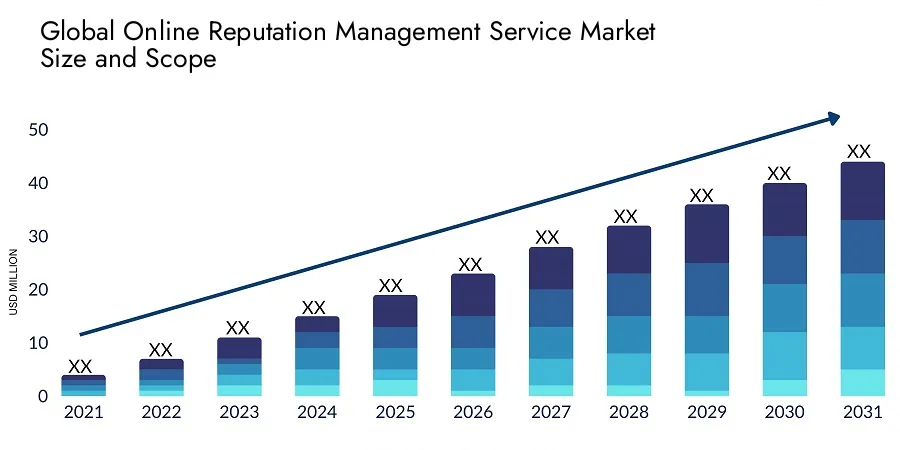
Online Reputation Management Service Market Size Forecast 2021-2031
The Online Reputation Management Service market has witnessed remarkable growth trajectories and is projected to expand significantly from 2021 through 2031.
As businesses increasingly recognize the critical role of their digital footprint in shaping public perception, investment in these services is surging.
Companies spanning numerous industries are now prioritizing managing and enhancing their online presence, driven by rising internet adoption rates, escalating social media engagement, and a growing awareness of cyber threats that can tarnish reputations overnight.
The forecast period highlights increased demand for traditional reputation management tactics like content moderation and search engine optimization and embrace innovative solutions like sentiment analysis tools powered by artificial intelligence.
This evolving landscape signals that the Online Reputation Management Service sector will become even more integral to corporate strategy—transforming how brands interact with consumers while safeguarding their image against potential crises that emerge in this fast-paced digital age.
Conclusion: The Importance of Proactive Online Reputation Management for Businesses
Proactive online reputation management is now optional for modern businesses. The digital landscape has transformed the way consumers interact with brands. A single negative review can quickly escalate, impacting not only customer perception but also sales and brand loyalty.
By actively monitoring your online presence, you can address issues before they spiral out of control. Prompt responses to positive and negative feedback demonstrate that you value customer opinions. This fosters trust and builds stronger relationships.
Investing in effective strategies will help shield your business from potential harm while enhancing its credibility. Tools available today make managing your online reputation more accessible than ever.
As customers increasingly turn to the internet for information about products and services, a well-managed online reputation will set you apart from competitors.
Embracing proactive measures ensures that your business thrives in an ever-evolving digital marketplace where perception is everything. Prioritizing this aspect of your operations paves the way for sustained growth and success in today’s fast-paced environment.